Saul Harwin

BSc Physics graduate passionate about software engineering, driven by curiosity and innovative problem solving.

About Me

Saul Harwin

I’m a recent Physics graduate (2:1 BSc) with a solid foundation in analytical thinking and problem-solving, and a growing passion for software engineering. Throughout university, I developed my technical and programming skills through a mix of coursework and self-directed projects, from writing simulations to experimenting with different tools and technologies. Now, I’m excited to bring that knowledge into a real-world development environment. Studying Physics taught me how to tackle complex problems in a logical, structured way and to think critically under pressure. These are skills that translate well into writing clean, efficient, and reliable code. Beyond academics, I also volunteer at a local sailing club, where I teach children and help coordinate group activities. This experience has really helped me build strong communication, leadership, and teamwork skills. These are qualities I bring to any collaborative setting. I’m actively looking for junior software engineering opportunities where I can continue learning from experienced developers, contribute to meaningful projects, and grow my career at the intersection of science and technology. If you’re working on something exciting in that space, I’d love to connect.
Projects

Python

Matplotlib

Numpy

Data Analysis

Error Analysis

Data Visualisation

Model Fitting

Weak Gravitational Lensing

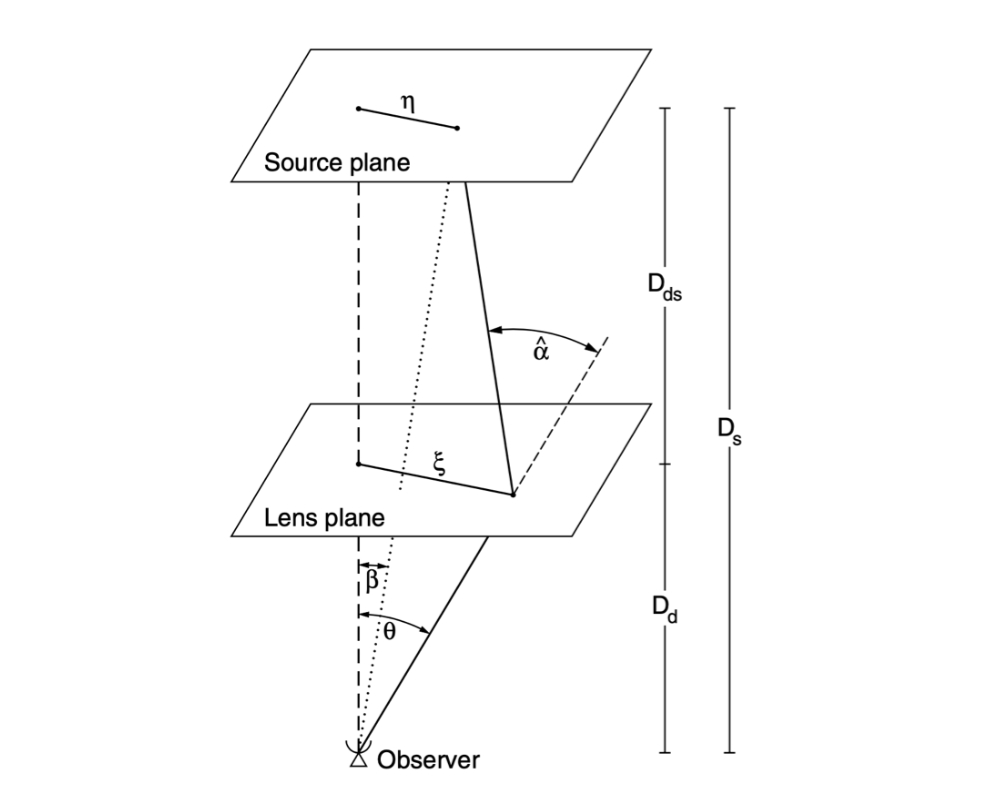
For my final year project at the University of Sussex, I conducted an in-depth analysis of a synthetic galaxy cluster through weak gravitational lensing. This involved modeling lensing effects using the Singular Isothermal Sphere (SIS) model and estimating key astrophysical parameters such as the Einstein radius, velocity dispersion, and mass.

R

Monte Carlo Methods

Numerical Methods

Statistical Computing

Data Visualisation

Markov Chain

Stochastic Processes

Probability Theory

Python

Monte Carlo Dissertation

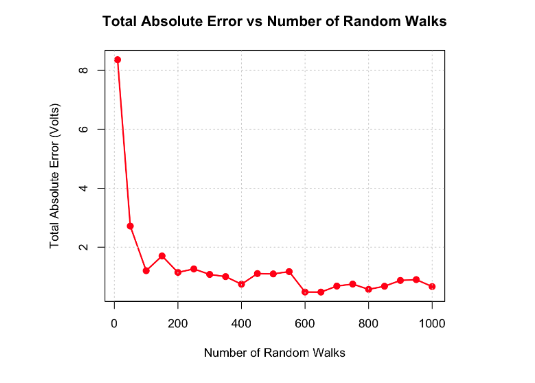
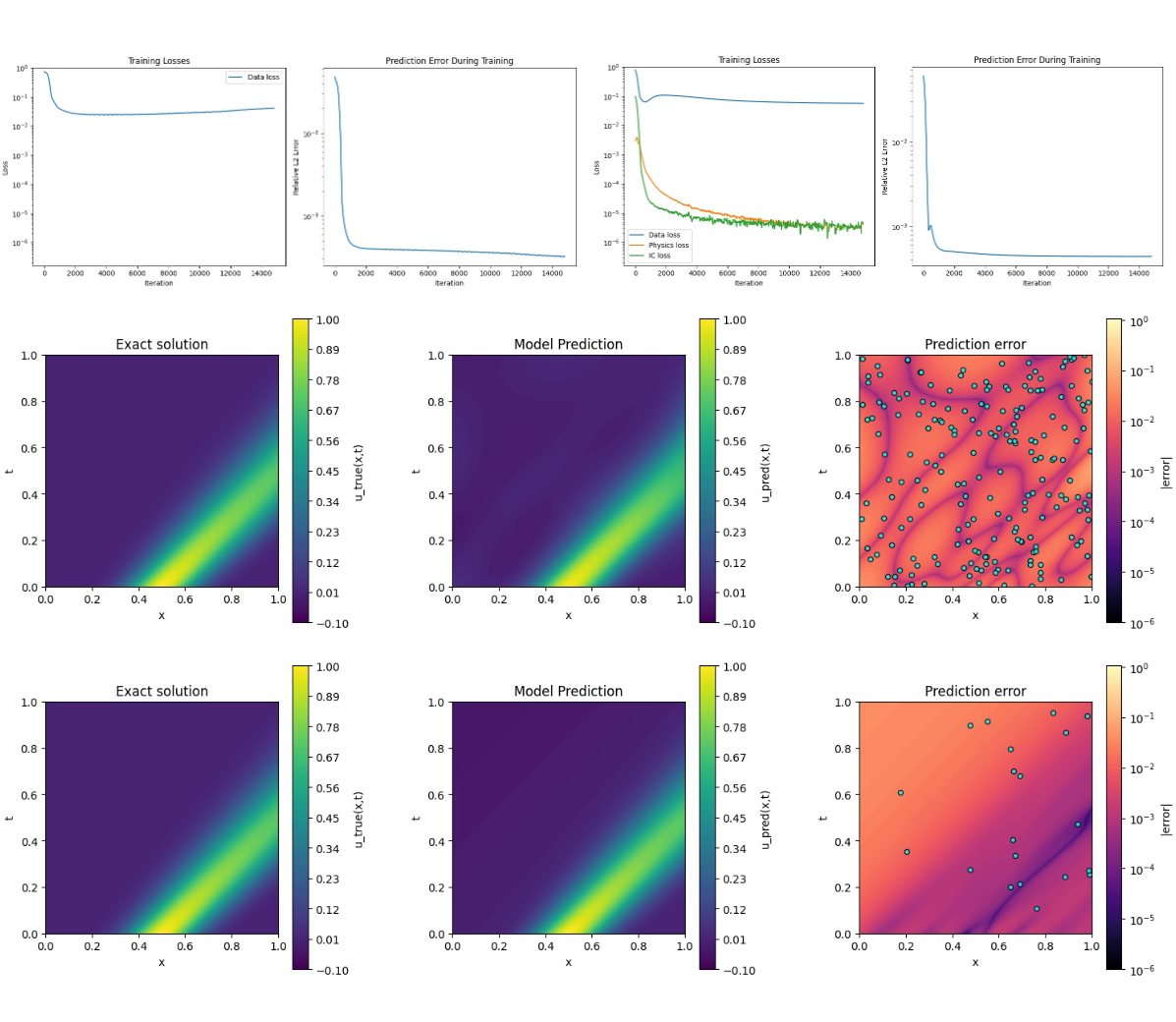
In my dissertation for my Monte Carlo Simulations module in 3rd year, I explored the application of Monte Carlo simulation methods to solve problems in probability theory, stochastic processes, and numerical analysis, with practical applications like probability distribution sampling, Markov Chains, and solving differential equations.

C#

Unity

Flocking Bird Simulation

Developed a Unity simulation using the Boids algorithm to model realistic flocking behavior. Implemented rules for separation, alignment, and cohesion to control agent movement. Tuned parameters for smooth, lifelike group dynamics. Gained experience with vector math, Unity physics, and real-time rendering.

Python

Web API

Spotipy

Playlist Automation

Cron Job

Monthly Spotfiy Playlist

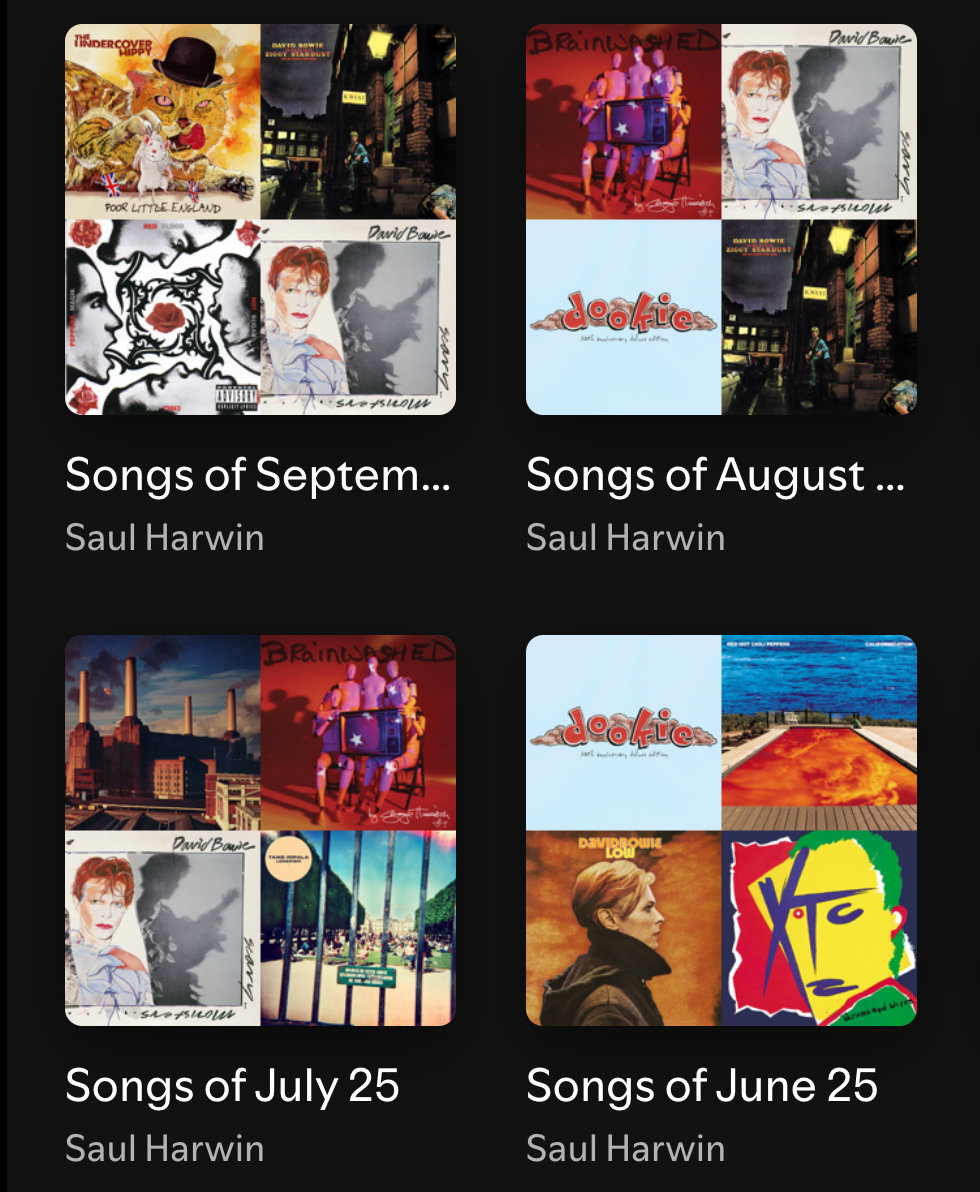
My Monthly Spotify Playlist project is a Python application that uses the Spotipy library to interact with the Spotify Web API. Its main purpose is to automatically generate and update a new curated playlist each month of the users most listen too songs, making it easy to keep a monthly collection of your favourite music without manual effort. As well as this, the program also creates a continuously updating playlist called "Favourites" which include your favourite songs of the last 6 months.

HTML

CSS

Web Development

NodeJS

Server

Frontend

Backend

Virtual Machine

PM2

Portfolio Website

This is my personal portfolio website, built to showcase my projects, skills, and experience in a clean, professional format. The site is designed with simplicity and responsiveness in mind, making it easy for employers and collaborators to quickly learn about my work.

Timeline

Last Updated: 03/02/2026

The Present

Currently Working on

I am currently investigating whether I can link map configurations to the gameplay of the board game Settlers of Catan. My goal is to train an AI agent to play the game against itself many times, then to analyse the data collected using machine learning methods to link parameters to gameplay. This, if successful, will lead to a map generator which depends on different slider parameters such as aggressiveness, fairness, etc.

Dec 2025

Completed Standford Online Machine Learning Course

Completed the Stanford Online Machine Learning course, where I gained a solid introduction to core concepts such as supervised learning, neural networks, and optimization. The course helped me build intuition for how machine learning algorithms work in practice, alongside hands-on experience implementing them in python using TensorFlow and PyTorch.

July 2025

Built my own Portfolio Website

My portfolio website is a personal project where I designed and built a professional showcase for my work using modern web technologies. I focused on clean structure, responsive layout, and clear presentation so visitors can easily browse my projects and understand the ideas behind them.

July 2025

Flocking Bird Simulation

In this project, I built a flocking bird simulation to explore how complex group behaviour can emerge from very simple rules. By modelling each bird’s local interactions, I found it interesting to see how realistic flocking patterns naturally formed, which gave me a much more intuitive understanding of emergent behaviour and agent-based modelling.

Jan 2025

Enrolled in Monte Carlo Simulations

This module introduced me to using randomness as a practical tool for solving mathematical and physical problems that are otherwise difficult to handle analytically. Through my dissertation, I gained hands-on experience implementing Monte Carlo and Markov Chain Monte Carlo methods, and I found it particularly rewarding to see how these techniques converge to accurate results despite their inherent randomness.

Sept 2025

Commenced Work on Weak Graviatational Lensing Final Year Project

I began a final-year research project at the University of Sussex focused on weak gravitational lensing, where I analysed simulated galaxy cluster data to extract and model the subtle distortions (shear) induced by foreground mass distributions using the Singular Isothermal Sphere (SIS) model. The work involved processing shape measurements from a large sample of background galaxies, building a statistical fitting pipeline, estimating astrophysical parameters like Einstein radius and mass, and assessing how intrinsic noise influences parameter accuracy.

Sept 2023

Undertook a module in Scientific Computing

One module I particularly enjoyed was Scientific Computing, where I learned how numerical methods can be used to solve problems that are difficult or impossible to tackle analytically. I liked the practical side of the module, especially turning mathematical and physical ideas into working code and seeing how small implementation choices affect accuracy and performance. It made the connection between theory and real-world problem solving feel much more concrete.

Jun 2022

Completed A-Levels

I completed my A Levels in Mathematics, Computer Science, and Physics, developing a strong foundation in analytical reasoning, formal problem-solving, and quantitative modeling. These subjects trained me to approach complex systems rigorously, combining abstract theory with computational implementation. Together, they established the technical basis for further study in mathematically and computationally intensive disciplines.

Jan 2022

Developed Monthly Spotify Playlist Generator

A Python-based application that uses the Spotipy library and the Spotify Web API to automatically generate and update a curated playlist each month with a user’s most listened-to tracks, along with a “Favourites” playlist aggregating preferred songs from the last six months. It’s designed for automation via cron scheduling, demonstrating API integration and playlist automation while minimizing manual effort.